Dissecting Google's Triage System for Real-Time Map Abuse
How granular Google Maps review protections impact business visibility and reputation management during viral events.
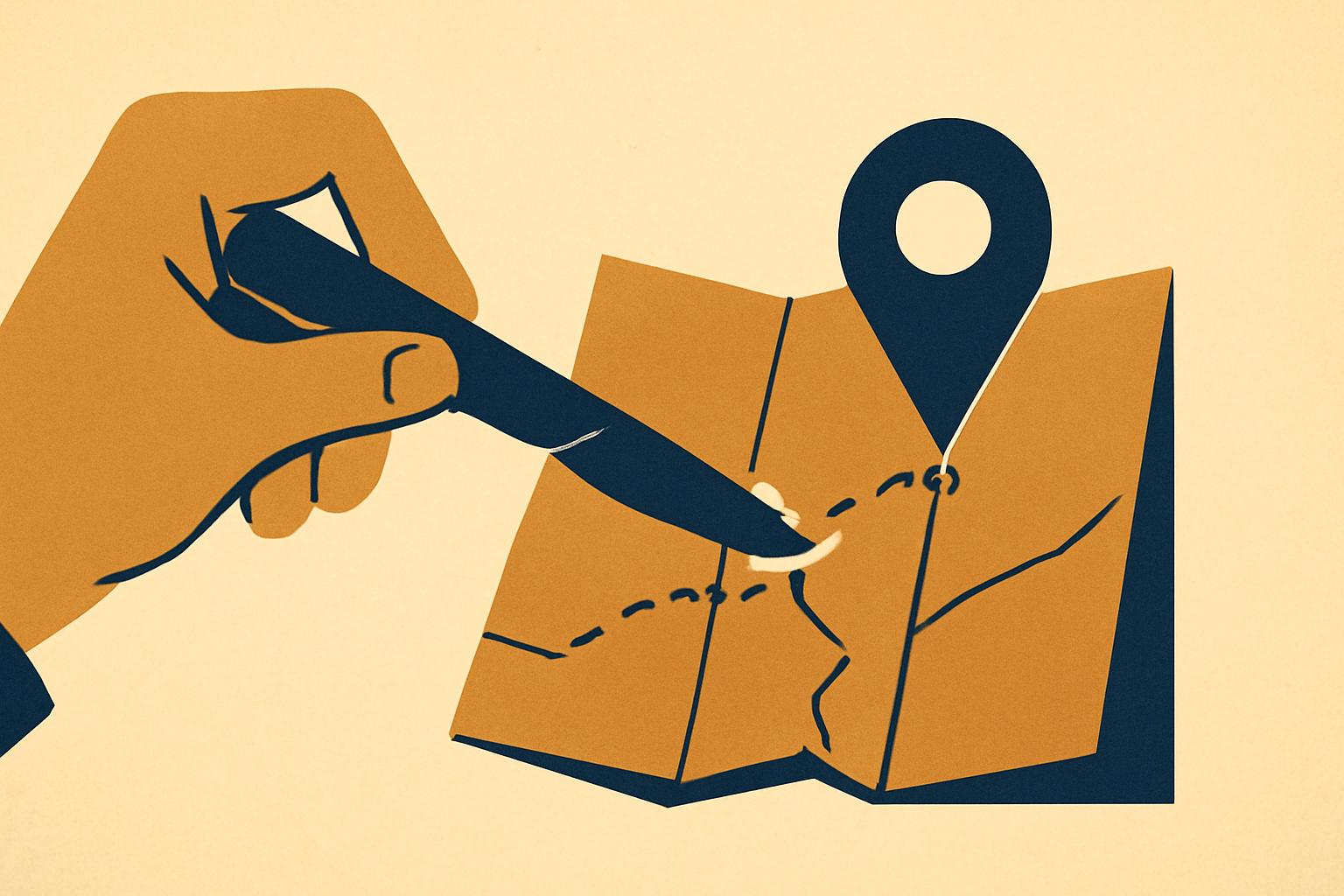
Google’s approach to maintaining data integrity on its local discovery platform has evolved into a sophisticated triage system capable of freezing business profiles in real-time. Last updated on November 22, 2023, Google Product Manager Christina Wichiencharoen detailed the mechanisms behind Google Maps review protections, highlighting how the platform now uses automated triggers to mitigate off-topic or malicious content before it compromises a listing’s historical score.
For operators, this shift means that a Google Business Profile (GBP) is no longer a static entity but one subject to dynamic restrictions. We have observed that these interventions are often triggered by sharp deviations from a business’s historical activity patterns. When a 12-location HVAC operator suddenly receives a hundred reviews in a single afternoon after a political social media post, Google’s systems treat this as an anomaly requiring immediate intervention.
How does the real-time intervention system function?
Google utilizes a three-tiered approach to content moderation: immediate responses to spikes in activity, proactive lockdowns based on predicted events, and long-term restrictions for specific categories. This is a significant departure from how this worked before, where reviews were largely filtered after publication or handled through manual reporting. Now, the system can autonomously disable the rating function entirely.
For example, if a dental practice in Leeds becomes the subject of a viral news story, the algorithm may freeze all new submissions. During this period, consumers attempting to leave legitimate feedback will be met with a notification that contributions are currently unavailable. While this protects the business from a permanent drop in its star rating, it creates a communication vacuum for the business owner who cannot demonstrate current responsiveness.
The shift to proactive Google Maps review protections
Beyond reacting to spikes, Google now employs proactive measures during sensitive periods. During election cycles or high-profile public events, the platform frequently restricts edits to core business data—such as phone numbers and addresses—of voting locations and government buildings. We see this as a preventative measure against misinformation that could lead users to incorrect physical locations.
This proactive posture suggests that Google maps the "social temperature" of certain industries and locations. If a business archetype is historically prone to high-volume spam—such as police stations or correctional facilities—it may permanently lose certain interactive features. In these cases, Google provides a notification banner to the user, redirecting them to policy guidelines rather than allowing a failed submission attempt.
Long-term restrictions and structural lockdowns
There are certain places where Google has determined that user input is consistently unhelpful or harmful. Prisons and military sites often fall under a permanent lockdown where review functionality is entirely stripped. For professional service firms, this serves as a warning: if a profile is flagged repeatedly for toxic interactions, it may face a "long-term restriction" that persists even after a controversy subsides.
Agencies must distinguish between a temporary freeze and a policy violation. A temporary freeze is an automated protective shield, while a manual penalty for violating the platform's terms of service requires a formal appeal process. The former usually expires once the "unusual patterns in contributed content" normalize, though Google has not specified the exact duration of these cooldown periods.
What this means for local businesses
When a business enters the crosshairs of a viral event, the immediate loss of control over their Google Business Profile can be disorienting. We recommend the following steps for operators facing a review intervention:
- Monitor for the intervention banner: Regularly check your public listing via an incognito window. If the "Review" button is missing or a banner appears, Google has initiated protection. Notify your team to stop soliciting reviews during this window, as they will be blocked.
- Document the trigger event: Keep a timeline of why the spike occurred. If you need to contact Google Support later to restore legitimate reviews that were caught in the crossfire, having context regarding the viral event is essential.
- Differentiate between types of blocks: Determine if your phone number and address editing is also locked. If factual data is frozen alongside reviews, the triage level is high, and you should expect a longer recovery period.
- Manage client expectations: For agencies, explain that these protections are a safeguard for the business’s long-term reputation, even if it feels like a loss of functionality in the short term.
Sources
Frequently asked questions
- Why did Google disable reviews on my business profile?
- Google likely detected a 'sudden spike' in activity that deviates from your historical norms. This often happens if a business goes viral on social media or is targeted by a coordinated 1-star review attack. The system disables the rating function temporarily to ensure your average score isn't unfairly damaged while they investigate the accounts involved.
- How long do Google Maps review protections last?
- There is no fixed timeframe. The duration depends on the severity of the suspicious activity and how long the 'social temperature' around the business remains high. Once the volume of attempted policy-violating reviews returns to a normal baseline, Google typically restores full functionality, though manual oversight may be involved for high-profile cases.
- Can I still edit my business hours if my reviews are locked?
- Not necessarily. In cases of anticipated abuse or sensitive moments (like elections), Google may proactively limit the ability to suggest edits to phone numbers, addresses, and other factual data. If your profile is flagged for proactive protection, you may find that core information fields are also frozen to prevent the spread of misinformation.
Follow us in Google
See Map Observer first in Top Stories
Google lets you choose the publications you want to see more of. Pick Map Observer and our local search reporting is surfaced higher in Top Stories — and badged as preferred in AI Overviews and AI Mode — whenever you search.
Related reading