Gamifying Brands with Google Maps: Lessons from the Spider-Man Spidey Tracker
How Sony Pictures utilized advanced markers and custom styling to transform a static map into a global scavenger hunt.
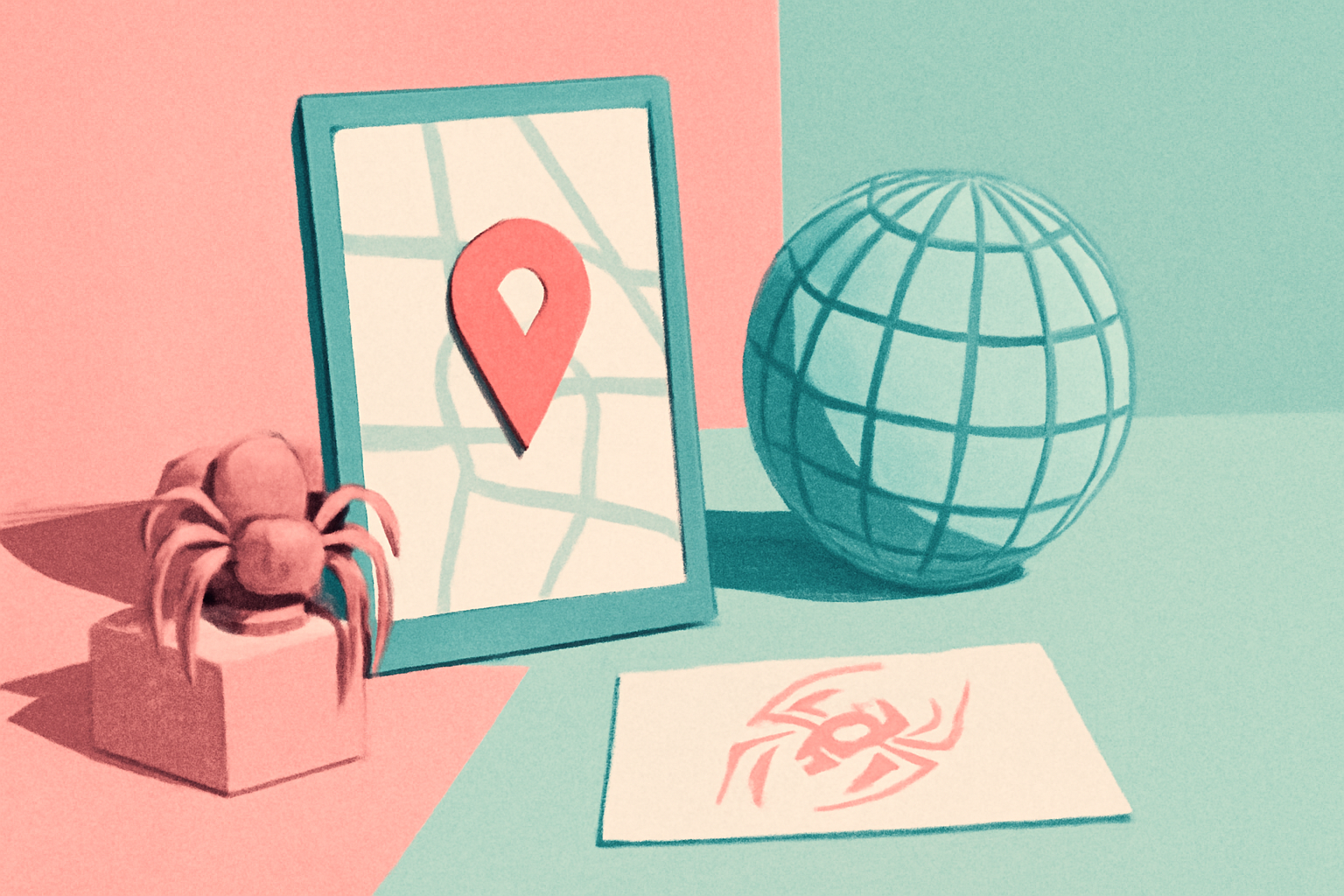
The traditional store locator is no longer the ceiling for brand engagement on geospatial platforms. In a recent collaboration, Sony Pictures and Samsung demonstrated how to leverage Google Maps Platform Advanced Markers to create a high-engagement, immersive experience for the film Spider-Man: Brand New Day (last updated July 2024). By shifting the map from a utility tool to a storytelling canvas, the "Spidey Tracker" allows fans to hunt for sightings and easter eggs across 35 countries, proving that geographic data can be as much about entertainment as it is about navigation.
We observe that this shift represents a significant evolution for agencies and in-house teams. Rather than simply pointing a user to the nearest physical location, the Spidey Tracker utilizes the Maps JavaScript API to build a customized, interactive world that mirrors the film’s narrative. The foundation of the project relies on the ability to inject brand-specific aesthetics directly into the map’s code, moving away from the generic red pins that have defined the platform for over a decade.
Can branded maps drive deeper user engagement?
The Spidey Tracker project suggests that the answer is a resounding yes. By using Cloud-based Maps Styling, the developers were able to give the base map a signature aesthetic that matches the movie's visual language. This isn't just a matter of changing colors; it involves a deep integration where the map feels like an extension of the product—in this case, an "in-world" app created by characters within the film.
For a dental practice in Leeds or a 12-location HVAC operator, the lesson isn't about superheroes, but about identity. A bespoke map that reflects a brand’s color palette and iconography reduces the jarring transition between a highly designed website and a standard Google Map. When a user feels they are still within the brand's ecosystem, time-on-page and interaction rates typically increase. In the case of Sony, this was further enhanced by a live social feed and exclusive digital downloads, creating a centralized hub for the promotional campaign.
Leveraging Google Maps Platform Advanced Markers for storytelling
The primary technical driver behind this activation is the use of Google Maps Platform Advanced Markers. Unlike standard markers, which are limited in their customization, advanced markers allow developers to use custom HTML and CSS to create highly performant, accessible, and visually complex pins. For the Spidey Tracker, this meant each Spider-Man sighting could be brought to life with unique designs that respond to user interaction.
Historically, creating custom markers was often a heavy lift that could compromise map performance, especially on mobile devices. Today, these markers are built to handle high-traffic environments while maintaining accessibility features. A multi-location enterprise can now use these markers to display dynamic data, such as real-time inventory or localized offers, directly within the map pin itself. This turns a static point on a map into a functional, live data point that encourages clicking and exploration.
Integrating Street View into the brand experience
One of the most innovative aspects of the Sony campaign is the "scavenger hunt" embedded within Street View. The team staged five specific Spider-Man moments in New York City, capturing them as the Street View car passed by. By embedding these specific coordinates into the Spidey Tracker, fans can virtually walk the streets of NYC to find the web-slinger in action.
This marks a departure from how Street View is typically used. In a standard local SEO context, Street View helps a user find a storefront. Here, it is used as a medium for discovery. Imagine a regional brewery chain hiding "golden cans" in Street View imagery near their locations, or a real estate developer creating a virtual tour that rewards users for finding specific architectural features. The immersive power of Street View allows brands to build a sense of place that goes beyond a 2D interface.
What this means for local businesses
While few businesses have the budget of a Sony Pictures blockbuster, the tools used for the Spidey Tracker are available to any developer using Google Maps Platform. Here is how local operators can apply these lessons:
- Move Beyond Standard Pins: Utilize advanced markers to showcase your brand’s unique iconography. For an HVAC operator, this could mean different icons for "Emergency Repair" versus "Installation" locations to help users quickly identify the service they need.
- Use Cloud Styling for Consistency: Ensure your map doesn't look like a generic plugin. Match the map’s saturation, water colors, and road styles to your brand’s style guide to create a seamless user experience.
- Create Discovery Moments: If you have a flagship location, use embedded Street View to highlight specific features or nearby landmarks, turning a simple visit into a pre-planned exploration.
- Incentivize Map Interaction: Link your map markers to exclusive content or offers. Much like the Spidey Tracker offered wallpapers and stickers, a local business can offer digital coupons triggered by map interactions.
Sources
Frequently asked questions
- What makes Advanced Markers different from standard Google Maps pins?
- Advanced Markers offer significantly more flexibility than the legacy marker system. Built using HTML and CSS, they allow developers to create pins that are not only visually unique (using brand logos or animations) but also highly accessible and performant. They support complex interactions and can change dynamically based on user data, making them ideal for high-engagement sites like the Spidey Tracker where storytelling is the primary goal.
- How does Cloud-based Maps Styling benefit a brand?
- Cloud-based Maps Styling allows businesses to customize the appearance of their maps—including colors, visibility of points of interest, and road density—through the Google Cloud Console. This means styling changes can be deployed in real-time without modifying the underlying code. For a brand, this ensures the map looks like a proprietary part of their website rather than a generic third-party embed, which helps maintain brand trust and aesthetic continuity.
- Can small businesses use these gamification techniques?
- Yes. While the Spidey Tracker was a global campaign, the underlying technology (Maps JavaScript API and Advanced Markers) is available to any Google Maps Platform user. A local business, such as a multi-location dental practice, can use these tools to create interactive maps that highlight specific services at different branches or provide a more engaging way for patients to find the nearest office with available appointment slots.
Follow us in Google
See Map Observer first in Top Stories
Google lets you choose the publications you want to see more of. Pick Map Observer and our local search reporting is surfaced higher in Top Stories — and badged as preferred in AI Overviews and AI Mode — whenever you search.
Related reading

Unpacking Oyster Rank: How Google’s 72 Signals Redefine Local Entities