Google Brings Deep Dive Format to EMEA: Local SEO Networking Strategy
Navigating the shift toward high-touch technical sessions and direct access to Search Relations.
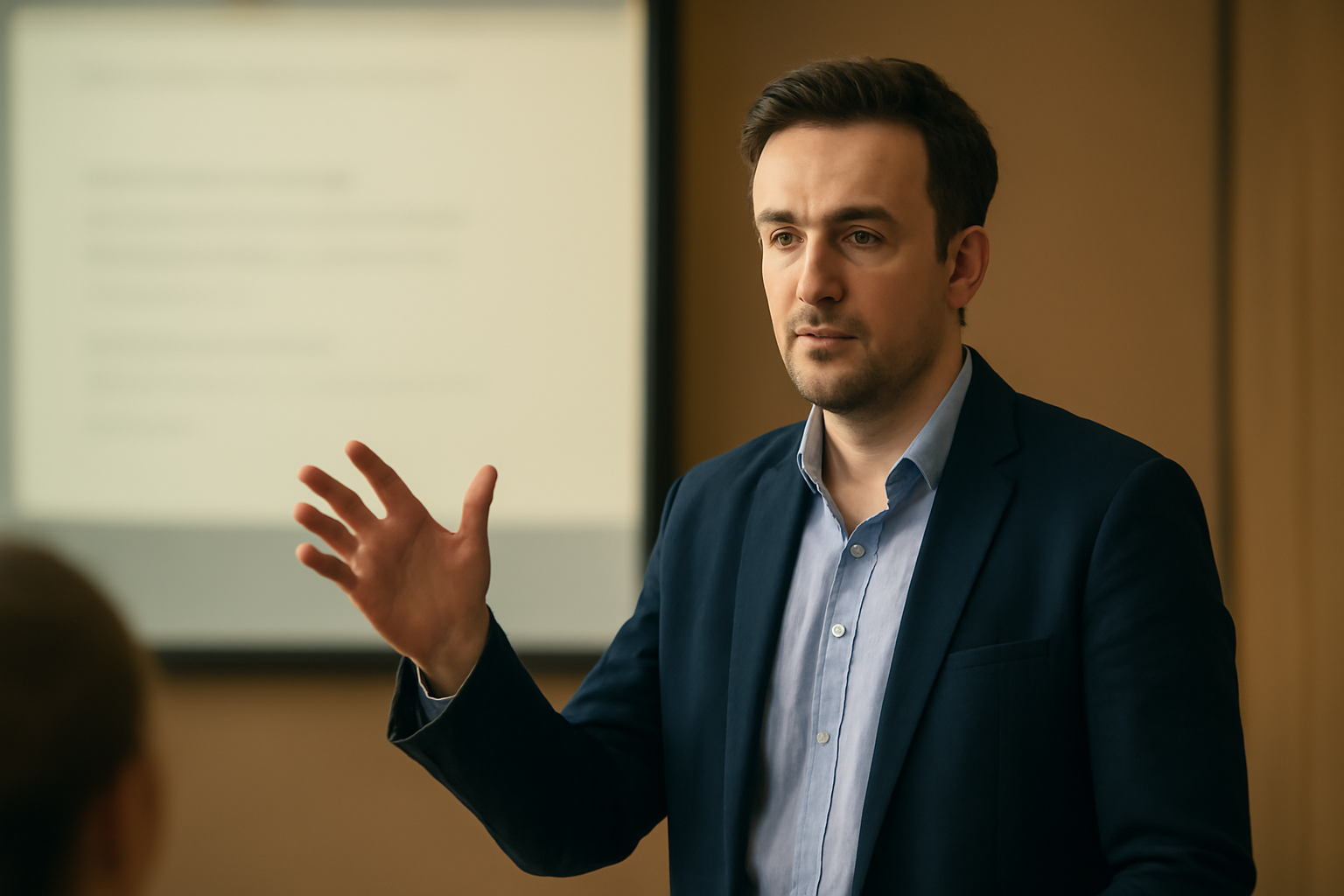
Participants in the first Search Central Live Deep Dive in EMEA will find a format optimized for technical exchange between practitioners and the Search Relations team. Last updated on June 18, 2024, the announcement from Google emphasizes that this specific format requires a venue conducive to genuine human connection, moving away from the large-scale conference dynamics that have traditionally characterized the company's regional outreach. For local search specialists, this represents a significant strategic opportunity to move beyond standard support documentation and engage directly with Google staff on the ground. We believe this shift signals a maturing approach to international search ecosystems.
We observe that these sessions differ from the standard Search Central events by prioritizing high-touch interactions over broad-stroke presentations. This transition to a smaller, more focused environment allows for granular discussions that are often lost in larger venues. For an agency managing a 12-location HVAC operator or a dental practice in Leeds, these events provide a platform to discuss how regional search nuances and local service data are interpreted by Google's evolving systems. The feedback loop established here functions much like a software beta test, where the developers observe real-world friction in a controlled environment to refine the final product for a mass audience before a wide release.
Why is technical networking essential for local SEO?
In previous years, networking with Google staff often occurred behind the barriers of large booths or within crowded Q&A sessions where complex questions were simplified for a general audience. The Search Central Live Deep Dive format suggests a deliberate pivot toward technical utility. By fostering a smaller environment, Google is effectively inviting practitioners to provide feedback on specific search features in real-time. For practitioners, this proximity is an asset. When you are sitting across from a Search Advocate, the conversation moves from abstract ranking theories to the practical application of Merchant Center data or the technical nuances of local schema impacts.
This level of intimacy is particularly valuable for businesses operating in complex European markets. A local SEO strategy for a hospitality group across France and Germany involves multi-lingual challenges and regulatory constraints that are difficult to address via standard public documentation. Engaging in these technical sessions allows experts to present these edge cases directly to those who document and communicate search changes. We believe that this shift toward accessibility will help bridge the gap between technical search requirements and the logistical realities of running a local business in high-density urban areas.
Preparing for the Search Central Live Deep Dive in EMEA
To maximize the value of this new format, attendees must arrive with specific, data-backed technical challenges rather than general inquiries about ranking factors. The EMEA landscape presents unique challenges, such as the Digital Markets Act (DMA) impacts on local visibility and the integration of diverse regional address formats. Preparing for the session involves a rigorous audit of current Search Console data to identify patterns that deviate from expected outcomes. For a 12-location HVAC operator, this might mean documenting how service area business (SAB) definitions are surfacing in different European jurisdictions and whether proximity weights are being applied consistently.
We suggest that agencies and in-house teams treat these events as a two-way intelligence gathering mission. While Google provide insights into their systems, the Search Relations team is equally interested in how their tools are being used by power users in regional clusters. If a dental practice in Leeds has found a specific bug in how local appointments are categorized, this is the venue to present that evidence. The goal is to move the needle on product development by providing the kind of high-fidelity feedback that only local SEO specialists can offer. This interaction should be viewed as a professional consultation rather than a casual meet-and-greet.
Leveraging the Search Central Live Deep Dive for local visibility
The move to EMEA serves as a call to action for regional professionals to help Google define the event's trajectory. The "Deep Dive" nomenclature implies a level of technical rigor that standard marketing webinars lack. We believe that participation in these sessions is not just about learning—it is about advocacy. By bringing specific data regarding local pack volatility or the integration of generative AI in local results, SEOs can ensure that EMEA-specific challenges are on the radar of the Google Search team. This is particularly vital as regional regulations often dictate how search engine results pages (SERPs) display local business information compared to the North American market.
Local businesses often feel the impact of core updates more acutely due to the limited geographic scope of their traffic. For example, during significant algorithm shifts, many local publishers saw substantial changes in how their content was indexed and served. Having a direct line to the team through these deep dives allows for a clearer understanding of the logic behind the recovery process, compared to waiting for generic, one-size-fits-all blog post updates. This format rewards the specialist who can speak the language of technical infrastructure and user experience simultaneously, making them indispensable to their clients or organizations.
How does the Deep Dive format impact local search rankings?
While attending a Deep Dive session does not provide a direct ranking boost, the knowledge gained allows for more precise technical implementations that can improve visibility over time. The primary benefit lies in the reduction of trial-and-error. Instead of spending months testing a hypothesis regarding local schema or Merchant Center feed optimization, practitioners can get high-level clarification on how these systems interact. This efficiency is crucial for small businesses with limited marketing budgets that cannot afford prolonged periods of visibility loss due to technical misconfigurations.
For a multi-location retailer, this can result in more efficient resource allocation. If the Search Relations team clarifies a specific approach to handling out-of-stock items in local inventory ads, that information can be rolled out across dozens of profiles immediately. This proactive approach to technical SEO often separates the market leaders from those who are perpetually reacting to the latest industry rumors. The focus is on long-term stability and alignment with Google's stated technical goals, ensuring that the business remains resilient in the face of future core updates.
What this means for local businesses
The expansion of these high-touch events into Europe suggests that Google is looking for more nuanced feedback from international markets. Local business operators and their representative agencies should prepare to engage with this new format by focusing on the following actions:
- Submit Venue and Topic Feedback: Use the current open call to suggest locations that are central to your business clusters. This ensures that the local SEO community in your specific region—be it the UK, DACH, or the Nordics—is properly represented in the event schedule.
- Audit Technical Debt: Prepare specific examples of technical hurdles, such as shipping policy integration or local schema errors, to present during high-touch workshop sessions. Avoid generalities and focus on reproducible issues that affect your conversion path.
- Coordinate with Industry Peers: Networking at these events should be collaborative. Work with other local specialists to identify recurring issues with Google Business Profile or local search results to present a unified case to Google staff, which carries more weight than isolated complaints.
- Monitor Performance Reports: With the introduction of new generative AI performance reports in Search Console, bring specific data points to the Deep Dive to discuss how these AI features are changing the way local traffic interacts with your website and conversion funnels.
- Standardize Data Sets: Ensure your local inventory and service data is structured according to the latest documentation before attending, so the discussion can focus on optimization rather than basic troubleshooting of known errors.
Direct access vs. documentation
Historically, local SEOs have relied on the Google Search Central Blog and public documentation to stay informed. While these remain primary sources, the Deep Dive format introduces a human element that documentation cannot replicate. It allows for the discussion of the context behind algorithmic shifts. This is similar to how early adopters of Merchant Center features gained a competitive edge by attending specialist workshops before broad feature rollouts. The ability to ask follow-up questions in real-time prevents the misinterpretations that often occur when reading static blog posts or translated documentation.
For an agency overseeing a multi-location retail chain, this access can shave months off a strategy's refinement period. Instead of testing hypotheses in a vacuum, you are validating them against the insights provided by the people who help communicate search policy. We anticipate that as the Search Central Live Deep Dive becomes a staple of the EMEA event calendar, the quality of local search implementation across the region will see a measurable increase in technical sophistication and compliance with best practices.
FAQ
What is the primary difference between a Deep Dive and a standard Search Central Live event?
Standard Search Central Live events are typically larger conferences designed for a broad audience, featuring presentations that cover wide-ranging SEO topics. They are excellent for general updates but often lack the time for technical minutiae. In contrast, the Deep Dive format is specifically engineered for small-group interactions and technical problem-solving. It prioritizes direct access to Google staff over keynote speeches, allowing for a more intimate exchange of information. We view the Deep Dive as a collaborative workshop where the goal is to solve specific technical hurdles rather than just consuming information.
Can any local business owner attend these Google Deep Dive events?
While these events are technically open to everyone, they are heavily focused on technical SEO and web development. Google typically uses an application or interest form to vet attendees, ensuring that those in the room have the technical background necessary to engage with the material. For most local business owners, their agency or in-house SEO lead would be the most appropriate representative. The discussions often revolve around API integrations, schema markup, and Search Console data, which require a specialized level of knowledge to navigate effectively and contribute to the conversation in a meaningful way.
How should I prepare my data for a technical session with Google?
Preparation is key to getting value from these sessions. You should arrive with specific examples from your Search Console or Merchant Center accounts that illustrate a technical challenge or an unexpected search behavior. For a multi-location business, this might include a comparison of how different regions are performing under the same technical setup. Avoid anecdotal evidence; instead, use screenshots, data logs, and specific URLs. This allows the Search Relations team to provide more accurate feedback and potentially identify larger systemic issues that might be affecting others in the local search ecosystem.
Is there a cost to attend the Search Central Live Deep Dive sessions?
Google typically does not charge a fee for attending Search Central Live events, including the Deep Dive format. However, attendance is often limited, and getting a spot requires an application process. The real cost for a local business is the time and travel involved. Given the high value of direct technical access, we consider the return on investment for these events to be significant for those managing complex or multi-location local search profiles. It is an investment in direct intelligence that can prevent costly strategic errors in the future by aligning closer with official expectations.
Will Google provide direct support for my specific Business Profile issues at the event?
It is important to manage expectations regarding direct support. While you are meeting with the Search Relations team, they are not a replacement for the standard Google Business Profile support channels. They cannot manually fix a suspension or update a specific listing on the spot. Instead, they provide context on how the systems work and take feedback on how the tools can be improved. The value is in the strategic insights and the potential to influence future product updates, rather than resolving individual customer service tickets. Using this venue for support complaints is generally an inefficient use of the format.
Sources
Frequently asked questions
- What is the primary difference between a Deep Dive and a standard Search Central Live event?
- Standard Search Central Live events are typically larger conferences designed for a broad audience, featuring presentations that cover wide-ranging SEO topics. They are excellent for general updates but often lack the time for technical minutiae. In contrast, the Deep Dive format is specifically engineered for small-group interactions and technical problem-solving. It prioritizes direct access to Google staff over keynote speeches, allowing for a more intimate exchange of information. We view the Deep Dive as a collaborative workshop where the goal is to solve specific technical hurdles rather than just consuming information.
- Can any local business owner attend these Google Deep Dive events?
- While these events are technically open to everyone, they are heavily focused on technical SEO and web development. Google typically uses an application or interest form to vet attendees, ensuring that those in the room have the technical background necessary to engage with the material. For most local business owners, their agency or in-house SEO lead would be the most appropriate representative. The discussions often revolve around API integrations, schema markup, and Search Console data, which require a specialized level of knowledge to navigate effectively and contribute to the conversation in a meaningful way.
- How should I prepare my data for a technical session with Google?
- Preparation is key to getting value from these sessions. You should arrive with specific examples from your Search Console or Merchant Center accounts that illustrate a technical challenge or an unexpected search behavior. For a multi-location business, this might include a comparison of how different regions are performing under the same technical setup. Avoid anecdotal evidence; instead, use screenshots, data logs, and specific URLs. This allows the Search Relations team to provide more accurate feedback and potentially identify larger systemic issues that might be affecting others in the local search ecosystem.
- Is there a cost to attend the Search Central Live Deep Dive sessions?
- Google typically does not charge a fee for attending Search Central Live events, including the Deep Dive format. However, attendance is often limited, and getting a spot requires an application process. The real cost for a local business is the time and travel involved. Given the high value of direct technical access, we consider the return on investment for these events to be significant for those managing complex or multi-location local search profiles. It is an investment in direct intelligence that can prevent costly strategic errors in the future by aligning closer with official expectations.
- Will Google provide direct support for my specific Business Profile issues at the event?
- It is important to manage expectations regarding direct support. While you are meeting with the Search Relations team, they are not a replacement for the standard Google Business Profile support channels. They cannot manually fix a suspension or update a specific listing on the spot. Instead, they provide context on how the systems work and take feedback on how the tools can be improved. The value is in the strategic insights and the potential to influence future product updates, rather than resolving individual customer service tickets. Using this venue for support complaints is generally an inefficient use of the format.
Follow us in Google
See Map Observer first in Top Stories
Google lets you choose the publications you want to see more of. Pick Map Observer and our local search reporting is surfaced higher in Top Stories — and badged as preferred in AI Overviews and AI Mode — whenever you search.