Google Maps Integrates Authentic Te Reo Māori Pronunciation for Local Navigation
A new AI-driven voice model for Aotearoa New Zealand bridges the gap between digital navigation and indigenous language preservation.
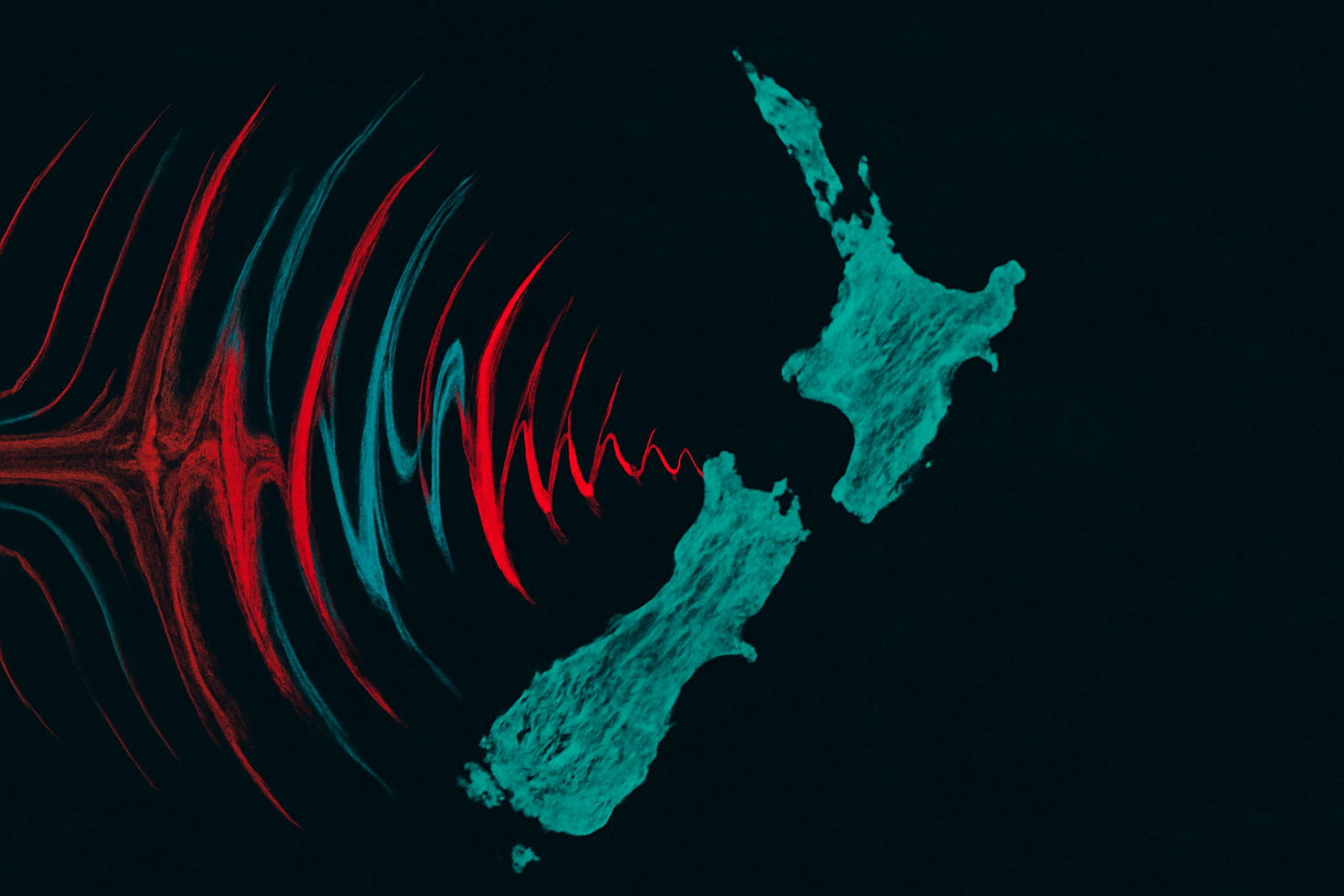
Google has officially deployed a new voice model for users in Aotearoa New Zealand that correctly articulates indigenous place names. Last updated July 8, 2026, the feature utilizes advanced text-to-speech technology to blend a standard Kiwi-accented English with precise te reo Māori pronunciation for cities and landmarks. This shift suggests a maturing of Google's audio intelligence, moving away from the generic, often mispronounced synthesized voices that have historically frustrated local residents and businesses.
We recognize this as more than a cultural gesture; it is a fundamental improvement to the utility of Google Maps. For years, the platform’s inability to handle long vowels or specific phonetic structures in Māori led to garbled instructions. By partnering with Te Taura Whiri (the Māori Language Commission) and the New Zealand Geographic Board, Google is creating a standard for how global platforms should handle indigenous linguistic data sovereignty.
Why does accuracy in the Google Maps Māori pronunciation update matter?
The stakes for linguistic accuracy extend beyond individual user experience. In the ecosystem of local search, voice is becoming a primary interface. When a user asks a digital assistant to find a 'dentist in Whangārei,' the system's ability to recognize and reciprocate that specific pronunciation is critical. If the platform cannot articulate the name correctly, it creates friction in the discovery process.
Historically, Google’s voice synthesis relied on general English phonetic rules. This often resulted in the flattening of vowels and the total erasure of the 'wh' (f) or 'ng' sounds common in Māori. By building a specific model for New Zealand, Google is effectively retraining its AI to understand that 'correct' pronunciation is geographically and culturally dependent. This sets a precedent for other regions with indigenous naming conventions, such as Hawaii, parts of Canada, or Wales, where generic AI phonetics often fail.
Enhancing the local discovery experience
For a 12-location HVAC operator in Auckland or a boutique dental practice in Leeds (Hamilton), the way their location is announced can influence brand perception. An authentic voice provides a sense of 'localness' that automated systems previously lacked. We see this as an essential bridge between digital navigation and real-world presence. When the navigation voice matches the community's way of speaking, it reinforces the accuracy of the underlying data.
Compared to previous iterations where voice models were uniform across large English-speaking territories, this update demonstrates a shift toward hyper-localization. This evolution suggests that Google is prioritizing 'place-based' intelligence, where the software adjusts its behavior based on the unique cultural landscape of the user’s coordinates.
What this means for local businesses
As Google refines its voice engine to understand indigenous nuances, operators must ensure their Business Profiles are optimized for this higher standard of recognition. We suggest the following actions to prepare for a voice-first search environment:
- Audit Geographic Attributes: Ensure your Google Business Profile (GBP) uses the correct macrons and spellings for local suburbs or districts, as these indicators assist AI in choosing the correct phonetic path.
- Optimize for Phonetic Search: Since AI is learning to speak more like locals, ensure your website’s schema and 'About' pages use natural citations of local landmarks that the system now recognizes.
- Test Voice Triggers: Business owners should physically test how Google Assistant speaks their business name and location to identify any lingering phonetic gaps that might require a profile update or a support ticket.
- Monitor Regional Rollouts: While this update is specific to New Zealand, agencies supporting global brands should monitor how Google applies this 'authentic voice' logic to other indigenous or minority-language territories.
The future of data sovereignty and AI
Google has indicated that this project was developed with Māori data sovereignty in mind. The long-term management of this phonetic data will involve Te Taura Whiri as kaitiaki (guardians), ensuring that the linguistic intellectual property remains within the community. For the broader industry, this highlights a growing trend where data accuracy is tied to ethical collaboration with local authorities.
As voice search matures from a convenience into a primary search tool, the reliance on high-fidelity audio will increase. Businesses that align their digital presence with these authentic local standards will likely find themselves better positioned in the voice-driven marketplace.
Sources
Frequently asked questions
- How do I activate the new Māori voice in Google Maps?
- To use the authentic pronunciation feature, you must update the Google Maps app to the latest version and ensure your language settings are configured to 'English (New Zealand)'. This allows the AI to trigger the specific phonetic model designed for the region.
- Does this update affect how my business appears in search results?
- While it doesn't change your ranking directly, it affects how users interact with your location via voice search. If the navigation system pronounces your location correctly, it improves the user experience and aligns with local search intent more effectively.
- Will this technology be applied to other indigenous languages?
- Google has indicated a push for hyper-local accuracy. While currently focused on New Zealand, the methodology of partnering with local linguistic experts suggests a blueprint for future updates in other regions with distinct indigenous naming conventions.
Follow us in Google
See Map Observer first in Top Stories
Google lets you choose the publications you want to see more of. Pick Map Observer and our local search reporting is surfaced higher in Top Stories — and badged as preferred in AI Overviews and AI Mode — whenever you search.
Related reading