Google Maps Pivots to Social Discovery via High-Profile Celebrity Partnerships
Analysis of the shift toward influencer-led content and what 'lifestyle' curation means for businesses aiming to appear in shared user lists.
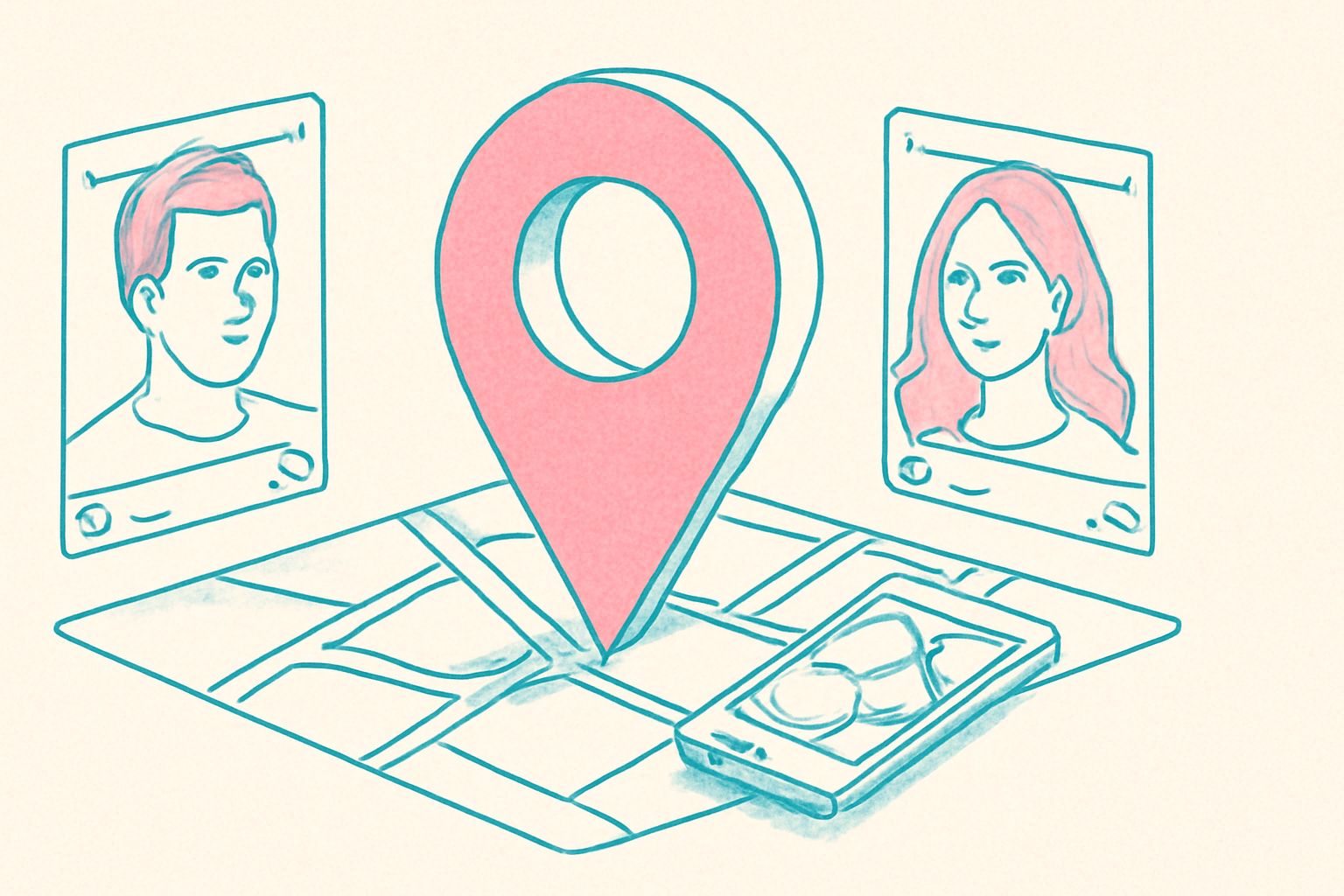
Google is fundamentally altering how users interact with local geography by repositioning its navigation app as a lifestyle destination. Last updated May 28, 2026, the tech giant announced a high-profile collaboration with singer-songwriter Dua Lipa and her editorial platform, Service95, to bring expert curation directly into the mapping interface. This move signals a departure from purely algorithmic or broad-consensus rankings toward a model defined by individual influence and social validation.
We observe this as a tactical move to compete for the attention of younger demographics who increasingly utilize visual and social platforms like TikTok or Instagram for travel discovery. By integrating Google Maps shared lists curated by cultural icons, Google is attempting to bridge the gap between a utility tool and a social media feed. This initiative introduces twelve distinct curated guides covering major global hubs, including London, New York, and Tokyo, allowing users to follow a specific artistic vision rather than just a Star Rating.
Digital curation vs. algorithmic discovery
Historically, appearing prominently on Google Maps required a mix of proximity, relevance, and a high volume of positive reviews. While these traditional local SEO factors remain foundational, the introduction of celebrity-led curation adds a layer of subjective tastemaking. We see this as a pivot where personal endorsement carries as much weight as a 4.5-star average. For example, a dental practice in Leeds or a boutique hotel in Paris now exists in an ecosystem where human-curated 'vibes' can override the cold data of search rankings.
In this new environment, visibility is no longer just about being the best-reviewed pizza shop in a five-mile radius; it is about fitting into a specific narrative or lifestyle archetype. For a 12-location HVAC operator, this shift may seem distant, but the infrastructure being built for celebrities today often trickles down to local micro-influencers and community leaders tomorrow. Google's internal data likely suggests that users are seeking more personalized, trust-based recommendations rather than scrolling through endless lists of generic results.
Why are Google Maps shared lists the new social currency?
The platform has evolved to treat lists not just as bookmarks, but as shareable media assets. Previously, lists were static tools used for personal organization or occasional coordination with friends. Today, they function as dynamic guides that include personal photos and notes from the creator. In the Dua Lipa partnership, the lists feature unique iconography—including a custom 'superstar' Pegman for Street View—which gamifies the exploration process.
This shift mimics the 'influencer storefront' model seen on e-commerce platforms. Instead of a product, the influencer is selling an experience. For local businesses, being featured in one of these lists provides a level of 'earned media' that is difficult to replicate through traditional advertising. It moves the business from a search result to a recommendation, changing the psychology of the consumer from 'evaluating' to 'attending.'
Navigating the lifestyle-driven local search landscape
This trend suggests that Google is no longer satisfied with being the map you use to find the nearest gas station; they want to be the place where you decide where to spend your weekend. This puts a premium on the 'photogenicness' and specific niche appeal of a business. A coffee shop that specializes in a very specific aesthetic of 1970s brutalist decor is more likely to end up on a curated 'Art & Coffee' shared list than a generic cafe that tries to appeal to everyone.
We believe this marks a transition where 'Local SEO' must expand to include 'Local PR.' The ability to get noticed by local tastemakers who are active on the platform will become a secondary signal of authority. As Google continues to integrate these social features, the distinction between a search engine and a social network will continue to blur, placing more emphasis on the visual and storytelling aspects of a Business Profile.
What this means for local businesses
As Google expands its social discovery features, operators must adapt their digital presence to be more 'list-friendly.'
- Prioritize Aesthetic Storytelling: Ensure your Business Profile photos aren't just clear—they need to be aspirational. Curators look for businesses that reinforce a specific 'vibe' or aesthetic.
- Engage with Local Tastemakers: Identify the local foodies, historians, or community organizers in your city. If they are active on Maps, their inclusion of your business in their public shared lists can drive significant high-intent traffic.
- Optimize for Niche Keywords: Shared lists are often thematic (e.g., "Natural Wine Bars" or "Essential Record Stores"). Ensure your business description and attributes clearly define your niche to help curators find you.
- Monitor Regional Trends: As celebrity partnerships target specific global cities, observe the types of businesses being selected. This provides a blueprint for what Google considers 'curation-worthy' content.
Sources
Frequently asked questions
- How do Google Maps shared lists differ from regular search results?
- Regular search results are generated by algorithms based on keywords, proximity, and star ratings. Shared lists are human-curated collections that reflect a personal brand or aesthetic. They offer a more subjective, trust-based recommendation compared to the objective data presented in standard local results.
- Can any user create their own shared lists on Google Maps?
- Yes, any user with a Google account can create, customize, and share lists. While high-profile partnerships get promotional placement, the underlying infrastructure is available to all users, allowing local influencers and community members to build and distribute their own guides.
- Does being on a celebrity list directly impact a business's ranking?
- While it may not change the technical SEO 'rank,' it significantly impacts visibility and traffic. Being featured in a high-profile list serves as a powerful endorsement, driving high-intent users to a profile who might otherwise have chosen a competitor based purely on distance or proximity.
Follow us in Google
See Map Observer first in Top Stories
Google lets you choose the publications you want to see more of. Pick Map Observer and our local search reporting is surfaced higher in Top Stories — and badged as preferred in AI Overviews and AI Mode — whenever you search.
Related reading

Unpacking Oyster Rank: How Google’s 72 Signals Redefine Local Entities