Google Maps Integrates Indigenous Place Names in Australian Pilot
A shift in metadata and cultural mapping signals new discovery protocols for local search.
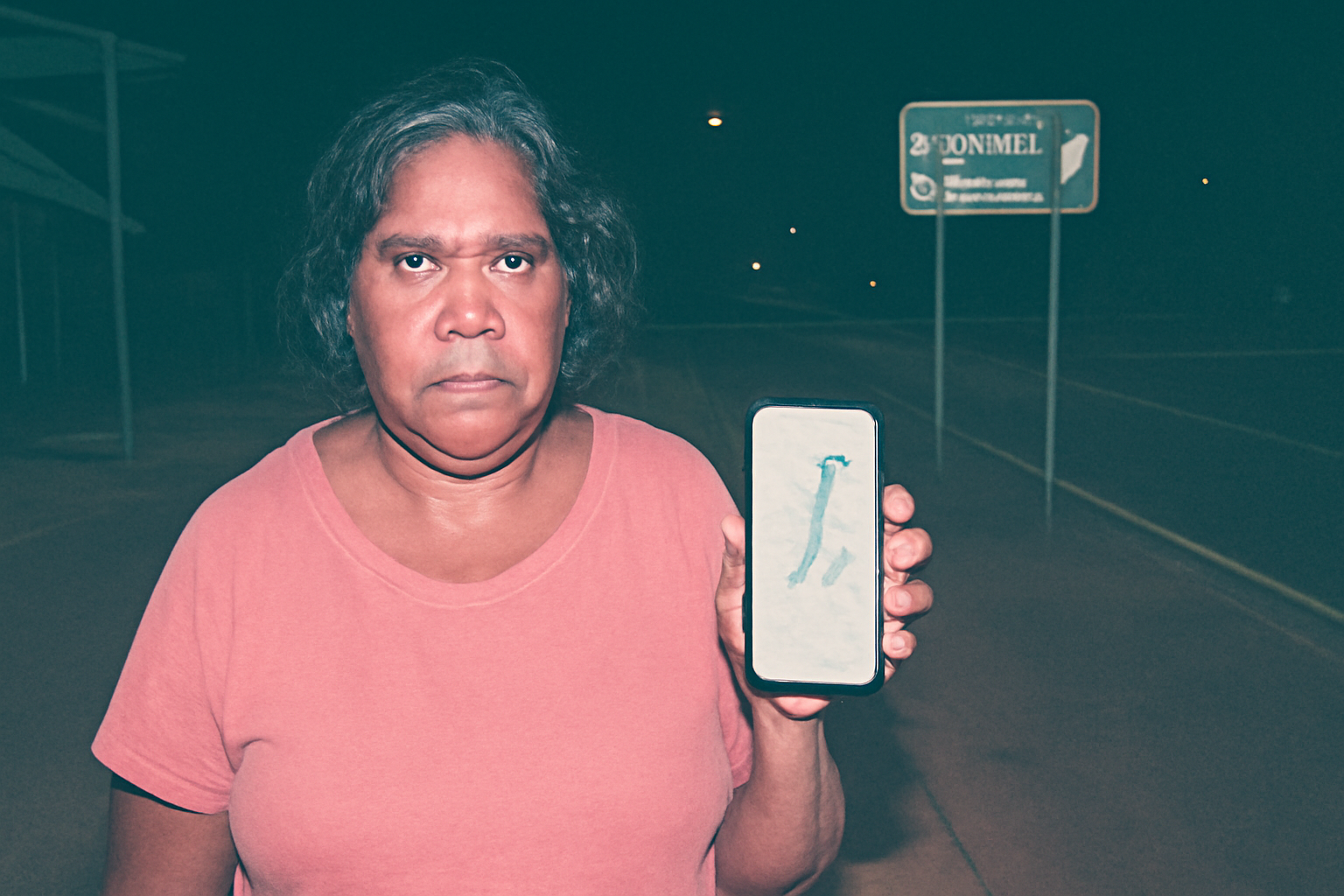
Google has initiated a localized pilot program in Australia to integrate Indigenous place names directly into the primary navigation interface for ten major cities. This initiative, developed in collaboration with First Nations-owned communications agency 33 Creative, seeks to provide more visibility for traditional language and cultural history within the mapping ecosystem. According to the announcement by Can Comertoglu (Last updated July 30, 2026), the platform now displays these names within city headers and descriptive fields for locations including Sydney, Melbourne, and Perth.
We observe that this move is not merely a cosmetic update but a significant change in how geographical metadata is structured. By elevating these titles to the primary header of a city's "placesheet," Google is legitimizing dual-naming conventions that have long existed in government records but were previously absent or buried within the digital interface.
How does the integration of Indigenous place names Google Maps affect discovery?
For operators, the primary question is how these new identifiers will influence search behavior and local intent. Currently, the pilot places the traditional names—such as Naarm for Melbourne or Warrang for Sydney—prominently in the UI. While current navigation still defaults to colonial naming conventions for routing, the inclusion of these terms in the description and headers creates a new set of searchable keywords that may influence local SEO rankings over time.
We anticipate that as users become more accustomed to seeing Tarntanya alongside Adelaide, search queries containing these traditional names will increase. A dental practice in Leeds would not see immediate effects, but a 12-location HVAC operator in Perth (Boorloo) should begin monitoring how their business information interacts with these new geographical identifiers. If Google begins to prioritize businesses that include both naming conventions in their locally-sourced content, we may see a shift in optimization best practices for the Australian market.
A broader strategy for localized cultural mapping protocols
This pilot signals a departure from Google’s historically uniform approach to global mapping. Previously, the platform focused primarily on transliteration or official government-recognized English names. The Australian pilot, however, suggests a move toward more granular, culturally specific mapping protocols. By working with Traditional Owners and language experts, Google is attempting to solve the complex challenge of representing territories that do not always align with Western municipal borders.
Compared to how this worked before, where Indigenous names might only appear if a user specifically searched for them, the new system pushes this information to the forefront of the user experience. This mirrors efforts in other regions, such as New Zealand (Aotearoa) or parts of Canada, where dual-naming has gained significant legislative traction. For global agencies, this highlights the necessity of understanding regional identity politics as part of a comprehensive local SEO strategy.
What this means for local businesses
While this pilot is currently limited to 10 Australian cities, the underlying technical framework could be exported to other regions with significant Indigenous populations or disputed naming histories. We recommend that local businesses in the pilot regions take the following steps:
- Review Local Content: Evaluate website copy and Google Business Profile descriptions to ensure they reflect the dual-naming convention, especially if the business serves community-focused or government-adjacent sectors.
- Monitor Search Queries: Track Search Console data for any emerging traffic from Traditional Place Names to understand if users are beginning to use these terms as primary identifiers.
- Verify Location Accuracy: Ensure that location pins and service area definitions remain accurate as Google adjusts its underlying map data to account for these cultural boundaries.
- Adopt Inclusive Metadata: Use these names in schema markup for local events or location pages to align with the increasing cultural relevance of these identifiers in the Australian market.
The technical challenges of dual-naming conventions
Implementing Indigenous place names is not without its hurdles. Google recognizes that "place naming is complex, continuous and deeply important." Unlike static city names, traditional territories often overlap or have multiple custodians. For example, Brisbane is listed as Meeanjin / Magandjin, representing both the Turrbal and Yuggera people.
This complexity requires a more sophisticated database than a simple one-to-one name replacement. We will be watching to see if Google allows businesses to select their Traditional Place Name within the Google Business Profile dashboard, or if the platform will automatically apply these labels based on the user's geographic location. The success of this pilot will likely determine how Google handles similar cultural mapping projects in the future.
Sources
Frequently asked questions
- Which Australian cities are included in the Google Maps pilot?
- The pilot currently includes 10 cities: Adelaide (Tarntanya), Alice Springs (Mparntwe), Brisbane (Meeanjin / Magandjin), Broome (Rubibi), Cairns (Gimuy-Irukandji), Darwin (Garrmalang-gwa), Hobart (Nipaluna), Melbourne (Naarm), Perth (Boorloo), and Sydney (Warrang). These names are derived from consultations with specific Traditional Custodians for each region.
- Will these Indigenous names replace existing city names in navigation?
- No, the traditional names do not replace current colonial names for navigation or routing. Instead, they appear as dual-identifiers in the city’s header and within the descriptive information on Google Maps. The goal is to make these histories visible and accessible rather than removing existing navigation labels.
- How should businesses update their SEO strategy for this change?
- Local businesses should consider incorporating both the traditional and colonial names in their website content and local descriptions. As these names become more prominent in the Google UI, user search behavior is likely to evolve. Tracking new keyword variants in Google Search Console will help identify if local customers are increasingly using traditional names to find services.
Follow us in Google
See Map Observer first in Top Stories
Google lets you choose the publications you want to see more of. Pick Map Observer and our local search reporting is surfaced higher in Top Stories — and badged as preferred in AI Overviews and AI Mode — whenever you search.
Related reading


Unpacking Oyster Rank: How Google’s 72 Signals Redefine Local Entities