Scaling Local Event Concierges: Lessons from the NYNJ World Cup Case Study
How agencies are moving from one-off event maps to modular digital brains using 3D visualization and conversational AI.
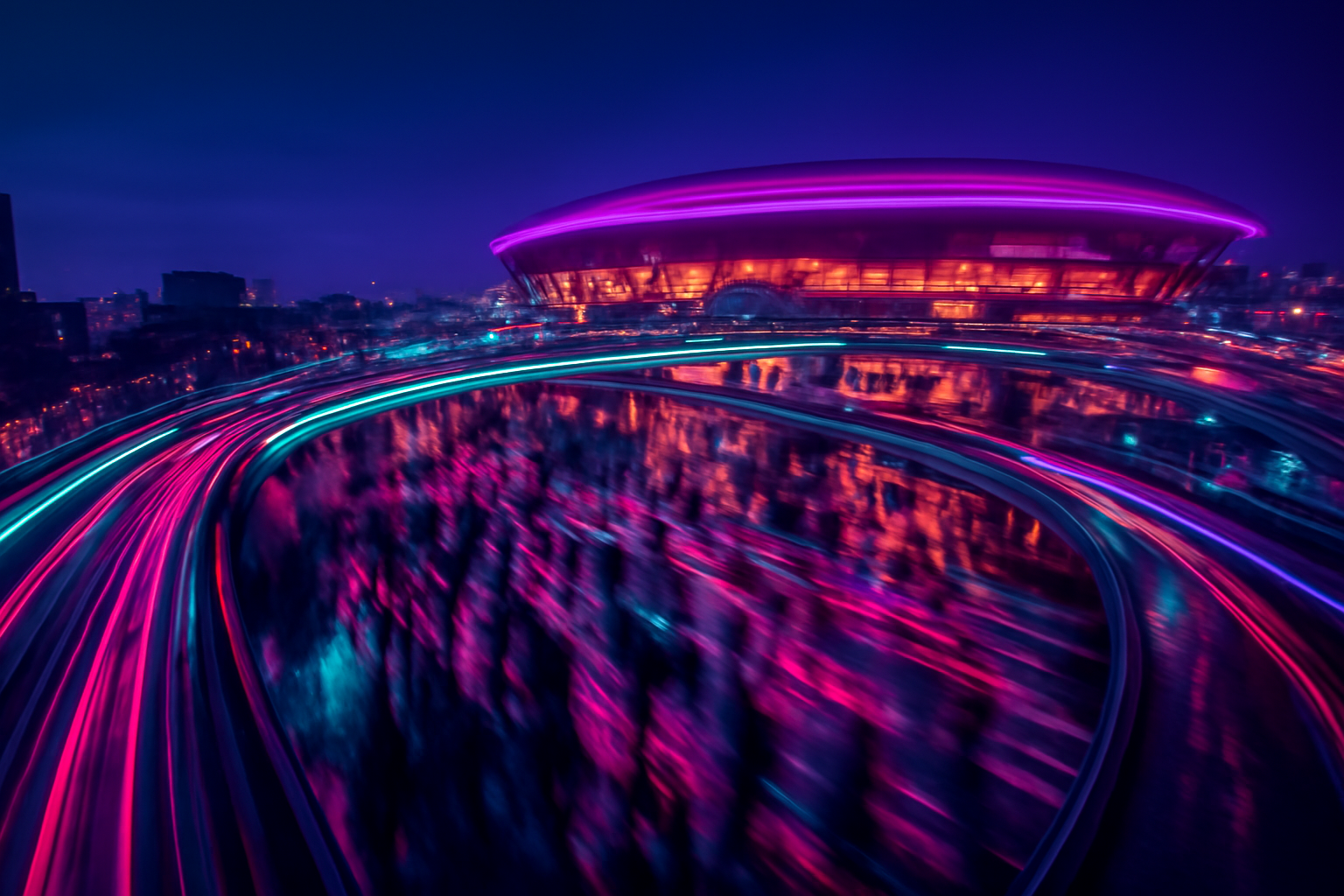
Deploying Google Maps Platform 3D Maps allows agencies to bridge the gap between high-level logistics and street-level discovery, according to the November 15, 2024, update regarding the NYNJ World Cup Concierge. As major metropolitan areas prepare for massive influxes of international visitors, the traditional static event map is becoming obsolete. The recent deployment demonstrates a shift toward what developers call a digital brain for local discovery, ensuring hundreds of thousands of users can navigate complex urban environments simultaneously.
The case study involving Neurun and the 2026 World Cup Host Committee highlights a transition from building isolated event assets to creating modular, reusable components. For local SEO professionals and agencies, this move represents a significant evolution in how location data is presented to consumers who are unfamiliar with a specific region. Rather than a flat list of results, users interact with a living model of the city that responds to natural language and intent.
The shift to modular digital brains
Historically, creating a guide for a massive event like the World Cup involved custom coding that would be discarded once the final whistle blew. Neurun founder Cade Netscher indicates that their development model has shifted toward a reusable core. This allows for rapid deployment of features—such as real-time transit updates or local business discounts—without rebuilding the underlying mapping infrastructure from scratch.
For a dental practice in Leeds, a boutique hotel in New Jersey, or a multi-location fitness franchise in Atlanta, being featured in such a system is no longer just about a standard Google Business Profile (GBP) optimization. It is about how that data is ingested by Large Language Models (LLMs) like Gemini and visualized through immersive interfaces. We have observed that when the map becomes a component of an AI conversational interface, the structured data within a business profile becomes the primary source of truth for the entire user journey.
Can 3D maps improve local business discovery?
A central challenge for any large-scale event is directing foot traffic away from congested stadium zones and into local neighborhoods. The NYNJ World Cup Concierge used the Photorealistic 3D Tiles API to literally fly users to specific locations on an immersive map when they asked questions about fan zones or local amenities. This visual context provides a sense of scale and distance that traditional pins cannot match.
This experience differs significantly from the standard 2D blue-dot experience where users must mentally translate a flat map into the real-world buildings around them. By providing a spatially aware environment, the concierge encourages users to explore the surroundings visually. In the NYNJ case study, over 30% of user queries focused on finding free fan events, while 23% concerned transit. By grounding the AI's responses in live Google Maps data, the system ensured that recommendations for nearby restaurants or shops were based on current business hours and reviews rather than static, decaying databases that often plague third-party event apps.
Grounding AI in verified location data
One of the primary risks of using conversational AI for local discovery is hallucination, where a model might suggest a business that has closed or provide incorrect directions. To mitigate this, the Neurun team utilized Grounding in Google Maps. This process forces the AI to check its answers against the real-time Places API before presenting them to the user. This creates a verification loop: the LLM understands the question, but the Maps API provides the factual answer.
For a 12-location HVAC operator, a regional grocery chain, or a boutique coffee roastery, this technology ensures that if a fan asks for "emergency hardware supplies" or "places with outdoor seating near the shuttle stop," the AI provides a trusted answer. This replaces the outdated reliance on manual spreadsheets that were often obsolete within days of an event starting. By utilizing the same data that powers Google Search and Maps, the digital concierge maintains a level of accuracy that was previously impossible for temporary event-based applications.
Multilingual discovery and Google Maps Platform 3D Maps
The integration of Gemini allowed the concierge to handle queries in over 60 languages. Rather than using literal translations of local schedules—which often lose cultural nuance—the system decoded the intent behind the phrasing. A visitor from Rio asking about "festas" and a fan from London asking about "fan zones" were both guided to the same relevant local festivities because the AI understood the underlying category of the event.
This level of accessibility ensures that local businesses are discoverable by a truly global audience, regardless of the language barrier. By feeding location context into every query, the AI understands exactly where the user is standing, providing hyper-relevant answers that include the nearest public transit hubs to keep the city moving. For a local independent bookstore or a specialized museum, this means being visible to a tourist who might never have found them through a traditional keyword search in English.
What this means for local businesses
For agencies managing local SEO for clients in major event hubs, the rise of AI-powered concierges requires a more technical approach to data management. We recommend the following actions to ensure visibility in these next-generation mapping interfaces:
- Prioritize GBP Accuracy: Since these digital brains pull directly from the Places API, your Google Business Profile must be 100% accurate, including temporary holiday hours, seasonal menus, or event-specific attributes like "outdoor seating."
- Optimize for Conversational Intent: Ensure your business description and customer reviews mention specific landmarks, proximity to transit hubs, and neighborhood names, as these are common triggers for AI-driven discovery queries.
- Monitor Local Event Partnerships: If your city is hosting a major event, verify if the host committee is using a digital concierge and ensure your business is categorized correctly to appear in "nearby" or "along the route" queries.
- Leverage Visual Content: As 3D maps and immersive views become the standard, high-quality, up-to-date photos of your storefront help users recognize your business when the AI "flies" them to your location on the map.
FAQ
What is the primary benefit of using 3D Maps for event navigation? Google Maps Platform 3D Maps, specifically through Photorealistic 3D Tiles, provides users with a spatial context that 2D maps lack. For massive events like the World Cup, this allows visitors to identify landmarks and terrain, making it easier to navigate unfamiliar urban environments. It helps reduce the cognitive load of translating a flat screen to the physical world, which is crucial for managing crowd flow and directing fans to specific points of interest or local businesses in densely populated areas.
How does grounding in Google Maps prevent AI hallucinations? Grounding is a technical process where a Large Language Model (LLM) like Gemini is required to verify its responses against a trusted data source—in this case, the Google Places API. When a user asks for a restaurant recommendation, the AI doesn't rely on its training data, which might be months old. Instead, it queries the live Maps database to ensure the business is still open, currently at that location, and matches the user's specific requirements, ensuring the output is factually accurate.
Can small businesses benefit from these high-level event concierges? Yes, small businesses benefit significantly because these AI concierges are designed to distribute foot traffic beyond the immediate stadium perimeter. If a local shop or restaurant has a well-optimized Google Business Profile, they are eligible to be surfaced by the AI when users ask for things like "best coffee within a 10-minute walk of the fan zone." The system relies on the Google Maps ecosystem, so any business already performing well in local SEO will likely see increased visibility during these events.
Does this technology require businesses to pay for inclusion? No, inclusion in these digital concierges typically relies on the existing Google Maps Platform ecosystem. As long as a business is listed on Google Maps and has an active Google Business Profile, it can be surfaced by the API calls made by the concierge. The developers of the event app (like Neurun) use the Places API to find relevant businesses based on proximity and user intent, meaning that standard local SEO best practices are the primary way to ensure a business appears in these results.
Sources
Frequently asked questions
- What is the primary benefit of using 3D Maps for event navigation?
- Google Maps Platform 3D Maps, specifically through Photorealistic 3D Tiles, provides users with a spatial context that 2D maps lack. For massive events like the World Cup, this allows visitors to identify landmarks and terrain, making it easier to navigate unfamiliar urban environments. It helps reduce the cognitive load of translating a flat screen to the physical world, which is crucial for managing crowd flow and directing fans to specific points of interest or local businesses in densely populated areas.
- How does grounding in Google Maps prevent AI hallucinations?
- Grounding is a technical process where a Large Language Model (LLM) like Gemini is required to verify its responses against a trusted data source—in this case, the Google Places API. When a user asks for a restaurant recommendation, the AI doesn't rely on its training data, which might be months old. Instead, it queries the live Maps database to ensure the business is still open, currently at that location, and matches the user's specific requirements, ensuring the output is factually accurate.
- Can small businesses benefit from these high-level event concierges?
- Yes, small businesses benefit significantly because these AI concierges are designed to distribute foot traffic beyond the immediate stadium perimeter. If a local shop or restaurant has a well-optimized Google Business Profile, they are eligible to be surfaced by the AI when users ask for things like "best coffee within a 10-minute walk of the fan zone." The system relies on the Google Maps ecosystem, so any business already performing well in local SEO will likely see increased visibility during these events.
- Does this technology require businesses to pay for inclusion?
- No, inclusion in these digital concierges typically relies on the existing Google Maps Platform ecosystem. As long as a business is listed on Google Maps and has an active Google Business Profile, it can be surfaced by the API calls made by the concierge. The developers of the event app (like Neurun) use the Places API to find relevant businesses based on proximity and user intent, meaning that standard local SEO best practices are the primary way to ensure a business appears in these results.
Follow us in Google
See Map Observer first in Top Stories
Google lets you choose the publications you want to see more of. Pick Map Observer and our local search reporting is surfaced higher in Top Stories — and badged as preferred in AI Overviews and AI Mode — whenever you search.
Related reading

Google Reintroduces Centralized Dashboard with New 'Business Home' Beta